
Planning a trip to Guatemala shouldn't require hours of reading outdated forums or watching endless videos. We know this country has incredible energy, surreal volcanic landscapes, and a vibrant culture, but we also know the logistics can be a challenge if you don't come prepared. To save you hours of research, we have gathered all the essential information and local secrets you need to know before landing in the Land of Eternal Spring.
1. Understanding the Map: Geography & Distances
Guatemala is not divided into states, but rather into 22 Departments, which are further split into Municipios (the local towns or cities). To understand how to navigate, it helps to visualize the country in three main tourist regions:
• The North (Petén): The green lung. A dense, hot, and flat tropical jungle that houses the ancient Mayan ruins.
• The Center & Highlands (Guatemala City, Antigua, Atitlán, Cobán): A mountainous and volcanic region with temperate to cold climates. This is where most of the population and tourism is concentrated.
• The South (Pacific Coast / El Paredón): Sea-level, tropical weather, and famous for its black volcanic sand beaches.
The golden rule: In Guatemala, distances are not measured in kilometers; they are measured in time. Due to the mountainous topography and single-lane highways, a 100-kilometer drive can easily take 3 to 4 hours. Do not underestimate travel times when building your itinerary. It is highly recommended to take advantage of overnight routes so you don't lose your days in transit; Guatemala is safe for night travel.
2. The Weather & What to Pack
Because of the country's microclimates, you must be ready for everything. The country has two distinct seasons: the Dry Season (November to April), which is ideal for hiking volcanoes, offering stunning sunsets. If intense summer heat isn't your thing, our weather during this season is perfectly cool, ranging between 14°C and 23°C (57°F - 73°F). Then there is the Rainy Season (May to October); our rainy season coincides with our warmer summer months, where mornings are sunny and afternoons bring heavy showers that turn the landscape incredibly green. Crucial note: August and September are the wettest months, meaning hiking the Acatenango Volcano is highly discouraged during this time—you definitely do not want to add downpours to an already grueling trek.
Your essential packing list:
• Fresh, light clothes for the daytime (Antigua and Atitlán get plenty of sun).
• A good sweater or jacket for the evenings, as temperatures drop significantly in the highlands—if you visit Xela, temperatures there can drop below freezing.
• Very comfortable walking shoes or hiking boots; you will be walking on cobblestones and dirt paths.
• Swimsuits (locally known as calzonetas). You will need them for hotel pools, Lake Atitlán, lakes in Petén, the beaches of El Paredón, or volcanic hot springs.
• A light rain jacket if you are traveling between May and October.
3. Must-See Destinations
For a complete journey, we highly recommend exploring these gems:
• Antigua: The colonial city surrounded by volcanoes and historic architecture.
• Lake Atitlán: Our home base, a crater lake surrounded by indigenous villages, considered one of the most beautiful in the world.
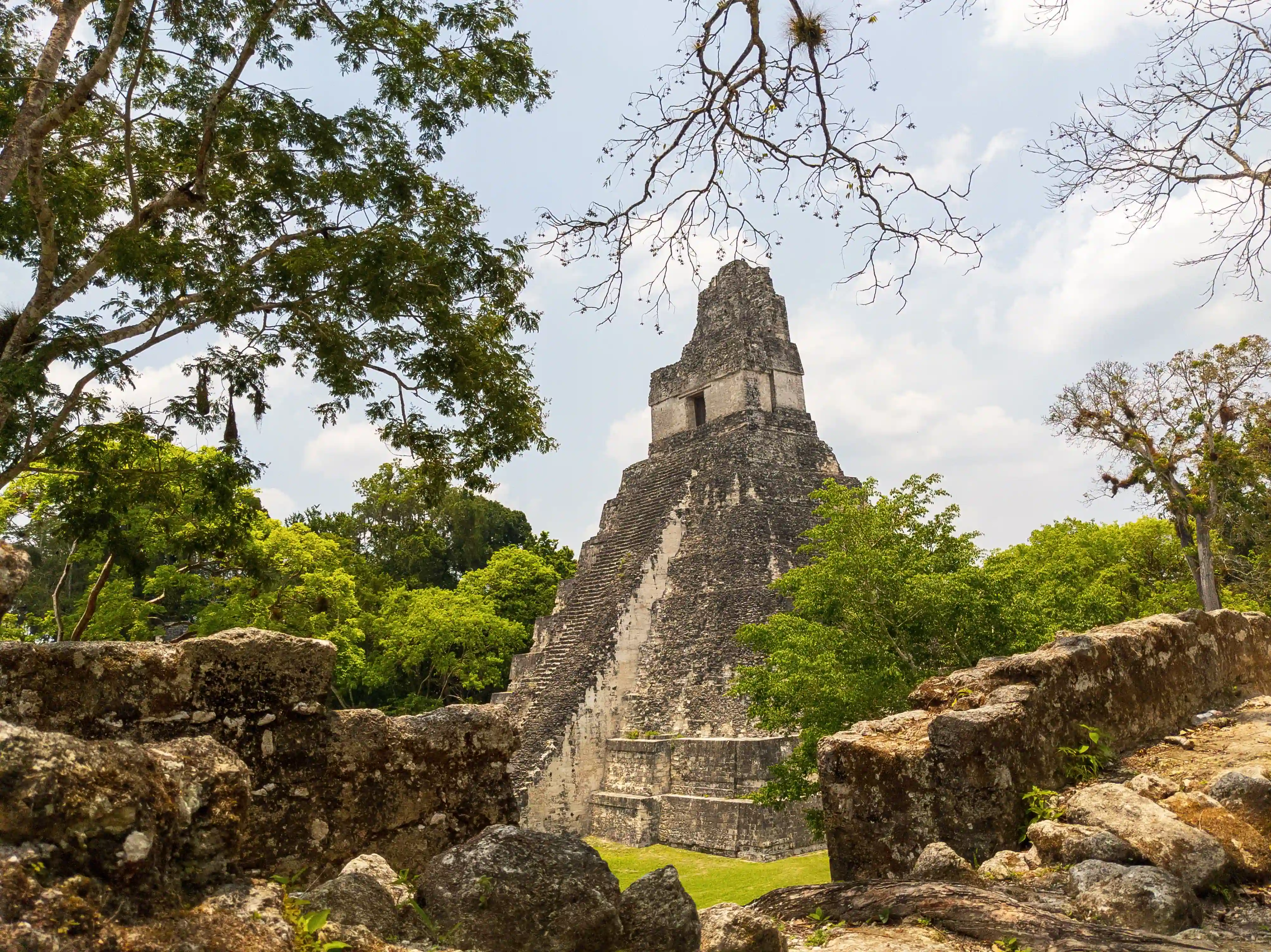
• Tikal (Petén): The deep jungle cradle of the Mayan civilization featuring towering pyramids.
• El Paredón: The ultimate surf town with a laid-back vibe and black sand beaches.
• Lanquín (Semuc Champey): Tiered, crystal-clear turquoise limestone pools hidden deep within a tropical canyon.
4. The Heart of the Mayan World
Guatemala is undeniably the most important country for Mayan culture today. It is a predominantly indigenous nation where ancestral traditions are not just history—they are part of daily life. There are 22 official Mayan languages spoken here (alongside Xinca, Garífuna, and Spanish).
You will see this rich heritage in the vibrant textiles, ceremonies, and local markets. While Tikal is the ultimate ancient architectural achievement, if you don't have the time to fly to Petén, you can book an Express Detour to Iximché during your private transfers. Iximché was the final Kaqchikel Mayan capital, and today it serves as a sacred site where you can often witness real Mayan ceremonies while traveling from Antigua to Atitlán.
5. Food, High-Altitude Coffee & Premium Rum
Guatemalan food is comforting and steeped in history. You must try the Tamales (corn dough filled with a rich sauce and meat, wrapped in banana leaves) and Chuchitos (a smaller, firmer version of the tamale). Traditional indigenous food is unique, such as Pepián: the most famous dish in the country. It is a thick meat stew (chicken or beef) simmered in a rich, roasted sauce made of pumpkin seeds, sesame seeds, tomatoes, and chiles, usually served with rice. Street stalls serving traditional food are quite common in many areas. But the absolute king of street food is the Shuco: the Guatemalan take on the hot dog, served on charcoal-toasted bread with guacamole, cabbage, mustard, and your choice of grilled meats.
To explore high cuisine and modern fusions, check out our exclusive guide on where to eat in Antigua Guatemala.
The drinks that define us: Thanks to our volcanic soil, we produce some of the best coffee in the world. Regions like Cobán (near Lanquín) and San Juan La Laguna in Atitlán farm exceptional beans. Furthermore, the fertile plains on the southern coast produce vast amounts of sugar cane, which is the foundation for the globally awarded Ron Zacapa rum.
6. Connectivity: Get Online Instantly
To avoid expensive roaming plans or wasting time in lines to register your passport for a local SIM, we recommend the Airalo app to buy an eSIM before landing. If you prefer cheap local data rates, Blvck Sheep offers an extra perk: we will hand you a fully activated local SIM card the moment you step into our vehicle for your private transfer.
View eSIM plans on Airalo7. Safety & How to Get Around
Guatemala is spectacular and very tourist-friendly, but common sense is key. Tourist hubs are very safe, but it's always smart to keep an eye on your belongings. The biggest logistical challenge is transportation. The famous 'Chicken Buses' are great for a photo but uncomfortable and slow for traveling with luggage. Uber works fine in Antigua and the City, but drivers frequently cancel long intercity trips.
If you value your time and comfort, Blvck Sheep's Private Transfers are the definitive option: you decide the departure time, traveling safely in modern, spacious, air-conditioned vehicles with professional drivers.
8. Currency & Budget
The official currency is the Quetzal (GTQ). While many hotels and formal restaurants accept credit cards (Visa is the most widely accepted), you must carry cash in Quetzales for local markets, street food, or boats. Expect to budget between $50 and $100 USD per person daily for a highly comfortable trip featuring nice hotels and private transit.
Design and Plan Your Transfers With Us